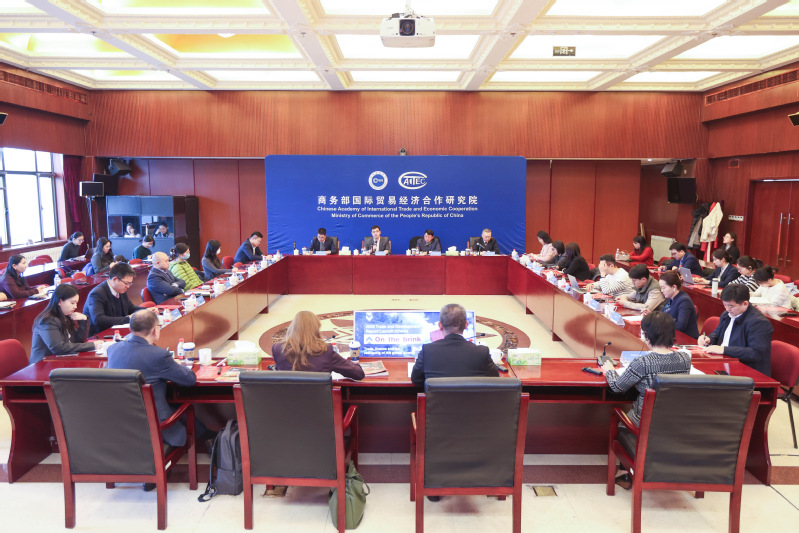

On December 10, the United Nations Conference on Trade and Development and the Chinese Academy of International Trade and Economic Cooperation under the Ministry of Commerce jointly released the 2025 Trade and Development Report in Beijing. The report indicates that the growth momentum of the Global South is shifting toward enhancing its resilience and emphasizes that the structure of globalization is being reshaped.
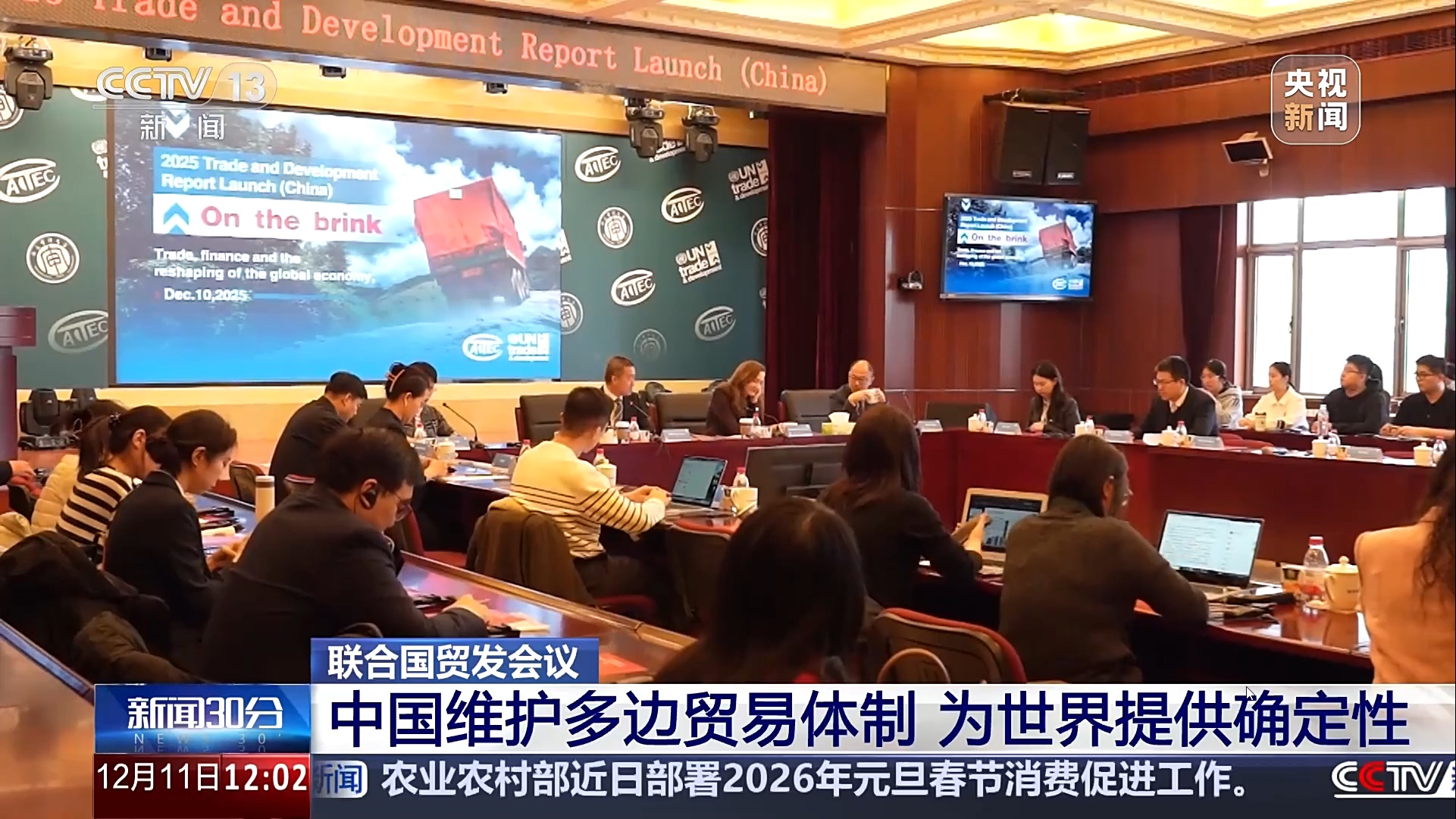
The launch event brought together representatives from international organizations, government departments, university think tanks, and Chinese and foreign media. The event was chaired by YAO Ling, Director of the European Institute with the Chinese Academy of International Trade and Economic Cooperation. Vice President LI Qianwen and Vice President REN Zhicheng, were invited to attend.
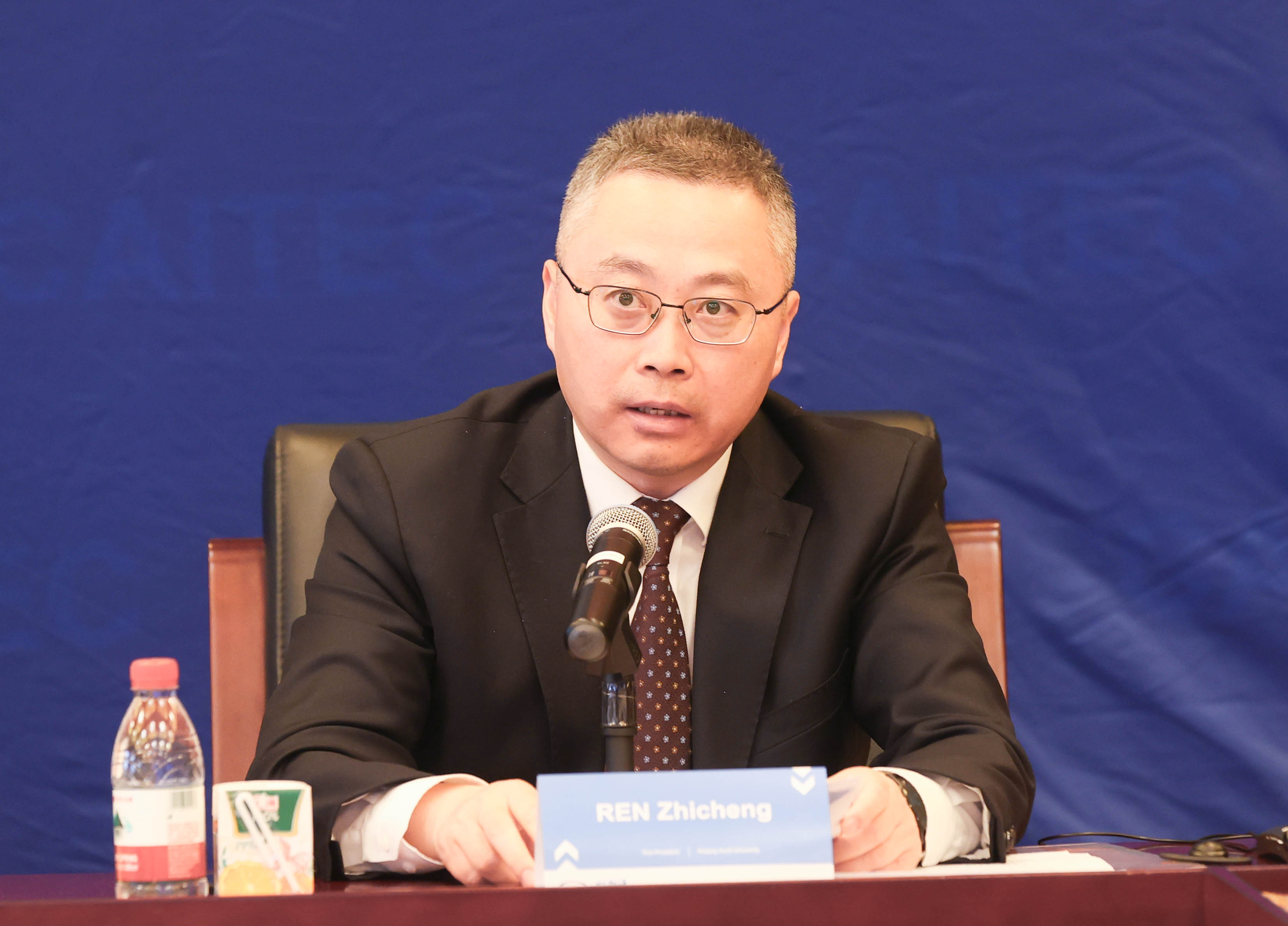
Vice President REN noted that the resilience of global development is rooted in collaborative efforts among nations and is inseparable from a balanced and inclusive global governance framework. Currently, countries in the Global South generally face a structural imbalance characterized by “strong trade entities but weak financial positions”, which directly leads to multiple challenges such as limited financing, weak financial foundations, and insufficient resilience against risks. In this regard, China has always placed great emphasis on economic and trade relations with developing countries. While steadily advancing financial openness, it actively collaborates with the international community to explore pathways such as diversifying cross-border payment systems, playing a crucial role in bridging the development financing gap and supporting sustainable development.
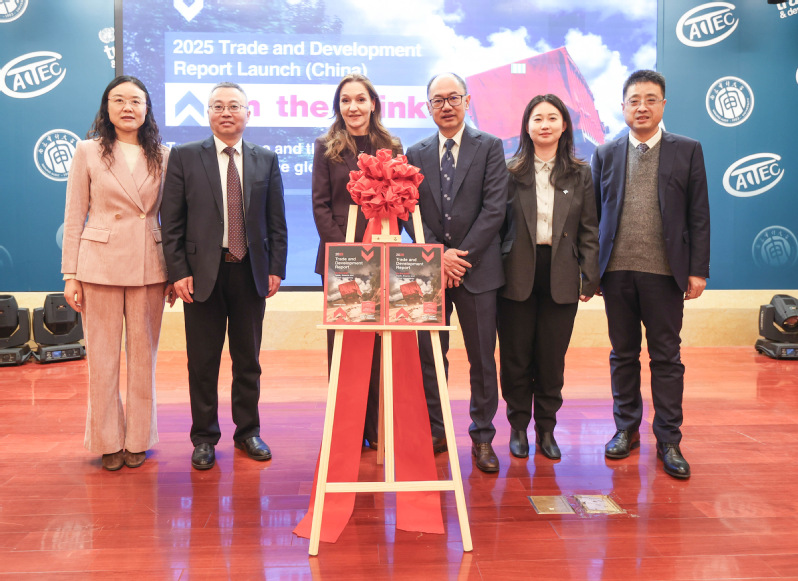
During the launch event, Vice president LI, on behalf of the university, participated in a solemn book donation ceremony. The ceremony not only reflected Nanjing Audit University's active engagement in international knowledge sharing but also demonstrated the responsibility of Chinese universities in promoting academic dialogue and contributing to public knowledge products.